Creating a relaxing home office environment is essential for maintaining focus, reducing stress, and enjoying your workday—whether you’re working remotely full-time or occasionally. A well-designed workspace can boost productivity and help you separate work from home life, leading to better work habits and overall well-being.
In this post, we’ll explore practical tips to help you transform your home office into a comfortable and inspiring place to work.
1. Choose the Right Location
The first step in creating a relaxing home office is finding the best spot in your home:
– Natural Light: Select a room or corner with plenty of natural light. Sunlight improves mood and energy levels, making it easier to stay alert throughout the day.
– Quiet Space: Try to pick a space away from household noise, such as kitchen sounds or frequent foot traffic.
– Privacy: If possible, use a dedicated room or area where interruptions are minimal.
2. Invest in Comfortable Furniture
Comfort is key when you spend long hours working at a desk. Consider these essentials:
– Ergonomic Chair: Choose a chair that supports good posture with adjustable height and lumbar support.
– Desk: Find a desk with enough surface space for your equipment and allows for comfortable arm placement.
– Adjustable Setup: If possible, use adjustable desks that let you alternate between sitting and standing to reduce fatigue.
3. Keep It Organized
Clutter can increase stress and distract you from your tasks. Keep your office tidy with these strategies:
– Storage Solutions: Use shelves, filing cabinets, or storage boxes to keep papers and supplies organized.
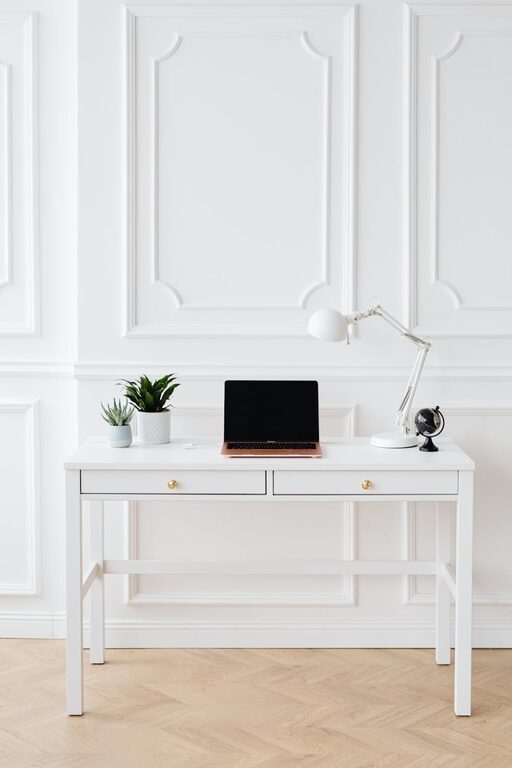
– Minimalism: Only keep items on your desk that you use daily. Store or remove everything else.
– Cable Management: Use clips or ties to manage cords; tangled cables can be visually distracting and frustrating.
4. Choose Calming Colors
The colors in your home office can influence your mood and productivity:
– Neutral Tones: Soft whites, beiges, or light grays create a calm, neutral backdrop.
– Cool Colors: Blues and greens are known to promote calm and focus.
– Accent Colors: Incorporate pops of your favorite colors through accessories like artwork, cushions, or plants to add personality and warmth.
5. Bring in Nature
Nature has a calming effect and can reduce feelings of stress:
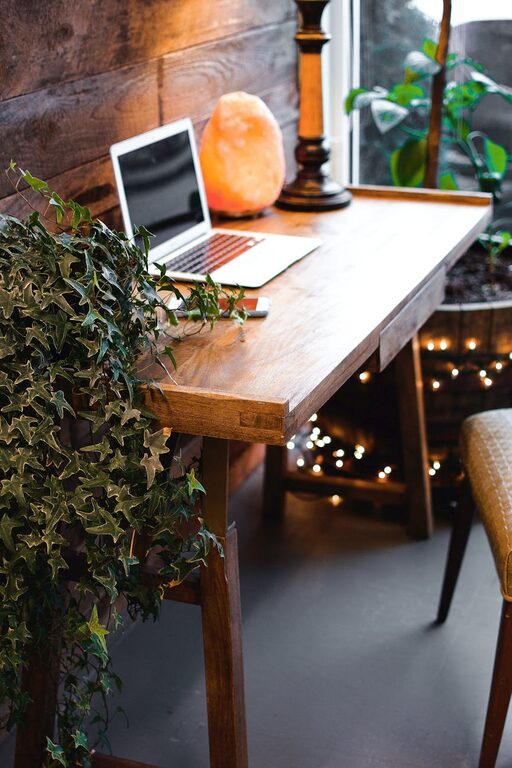
– Houseplants: Incorporate easy-care plants like succulents, snake plants, or pothos. They improve air quality and create a relaxing atmosphere.
– Natural Materials: Decorate with wood, stone, or woven materials to bring a touch of nature indoors.
– Natural Scenery: If your window view includes trees or a garden, position your desk to take advantage of it.
6. Manage Lighting
Good lighting is crucial for eye comfort and a pleasant environment:
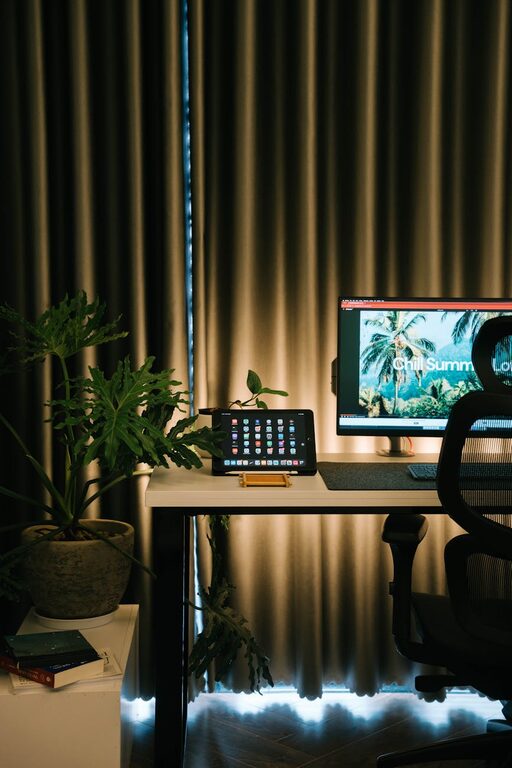
– Layered Lighting: Combine natural light with overhead, task, and ambient lighting to avoid eye strain.
– Adjustable Lamps: Use desk lamps with adjustable brightness to focus light where you need it most.
– Avoid Glare: Position your screen perpendicular to windows to reduce glare and reflections.
7. Add Personal Touches
Personalizing your workspace can boost your mood and creativity:
– Art and Photos: Display calming artwork or photos that inspire and motivate you.
– Comfort Items: Use a cozy blanket, a small diffuser with essential oils, or a favorite mug.
– Inspirational Quotes: Place motivational quotes where you can see them during the day.
8. Control Noise Levels
Noise can distract and reduce productivity, so consider these strategies:
– Noise-Canceling Headphones: Use them to block out background noise during focused work sessions.
– White Noise Machines: These can help mask disruptive sounds and maintain focus.
– Soft Furnishings: Rugs, curtains, and cushions absorb sound to create a quieter space.
9. Take Breaks and Move
Even the most relaxing space can’t replace the benefits of movement and breaks during your workday:
– Schedule Breaks: Set regular timers to remind yourself to step away from your desk.
– Stretch or Walk: Simple stretches or short walks around the house improve circulation and reduce tension.
– Change Scenery: Occasionally move to a different spot for meetings or breaks to refresh your mind.
10. Keep Digital Space Clean
A clutter-free desktop and organized digital files contribute to a stress-free work routine:
– Declutter Desktop: Remove unnecessary icons or files from your computer desktop.
– Organize Files: Create folders and subfolders with clear labels.
– Limit Notifications: Turn off non-essential alerts to minimize distractions.
—
Creating a relaxing home office environment is about combining comfort, organization, lighting, and personal touches to make a space where you can thrive. With these tips, you can craft a work area that supports both your productivity and well-being, allowing you to enjoy workdays from the comfort of your own home.