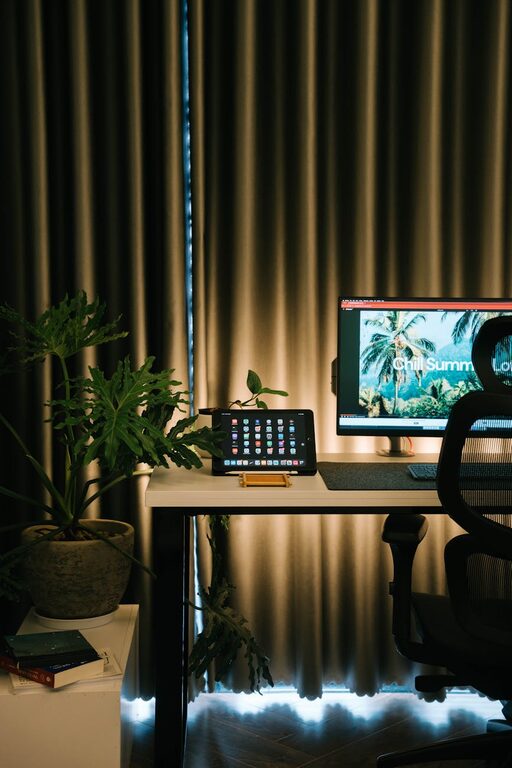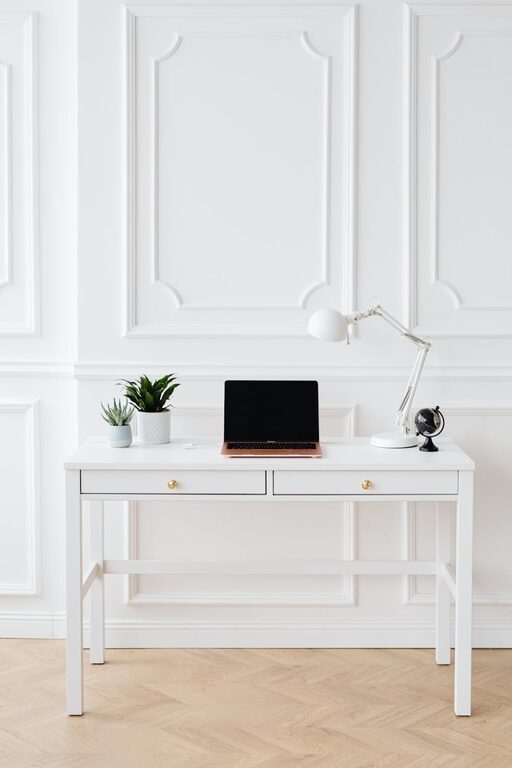

Creating a cozy and productive home office space is more important than ever as many of us spend significant time working from home. A well-designed workspace not only enhances focus and efficiency but also promotes comfort and wellbeing. Whether you have a dedicated room or a small corner in your home, there are practical steps you can take to make your home office both inviting and effective.
1. Choose the Right Location
Consider Natural Light
Whenever possible, select a spot with plenty of natural light. Sunlight can improve mood, reduce eye strain, and help regulate your daily rhythm. Place your desk near a window but avoid glare directly on computer screens.
Minimize Distractions
Pick a quiet area away from household noise and foot traffic. If necessary, use room dividers, curtains, or noise-cancelling headphones to maintain focus during work hours.
2. Invest in Comfortable and Supportive Furniture
Ergonomic Chair
A good office chair supports your back, encourages good posture, and helps prevent discomfort. Look for chairs with adjustable height, lumbar support, and sufficient cushioning.
Functional Desk
Choose a desk large enough for your computer, notebook, and other essentials but fits well in your chosen space. Consider desks with storage options or a clean, minimalist design to reduce clutter.
3. Organize for Efficiency
Declutter Regularly
A tidy workspace helps clear your mind and improve concentration. Keep only essential items on your desk and store the rest in drawers, shelves, or filing cabinets.
Use Organizers and Storage Solutions
Trays, drawer dividers, shelves, and cable organizers can keep supplies neatly arranged and within reach.
Plan Your Layout
Place frequently used tools and devices nearby to reduce movement and wasted time.
4. Personalize Your Space
Add Comfortable Textiles
A soft rug, cozy throw blanket, or cushions can add warmth and comfort, making your workspace inviting.
Use Plants
Houseplants brighten your workspace and improve air quality. Choose easy-care varieties like succulents or snake plants.
Incorporate Meaningful Decorations
Hang artwork, photos, or inspirational quotes that motivate you without overwhelming the space.
5. Optimize Lighting
Layer Lighting
In addition to natural light, use a combination of overhead lighting, desk lamps, and ambient sources to reduce eye strain and create a pleasant atmosphere.
Choose Warm, Adjustable Bulbs
Warm tones are easier on the eyes. Adjustable brightness lets you tailor the lighting depending on your task or time of day.
6. Manage Technology Smartly
Invest in Quality Equipment
Reliable internet, ergonomic keyboards, and high-resolution monitors can boost productivity and reduce frustration.
Keep Cables Organized
Use clips, sleeves, or boxes to tame cords and prevent tangling.
Maintain a Clean Screen
Regularly clean your monitor, keyboard, and mouse to keep them functioning well and looking tidy.
7. Create Boundaries Between Work and Home Life
Define Your Work Hours
Stick to consistent start and end times to maintain balance and prevent burnout.
Use a Physical Signal
Closing a door or a special desk mat signals when you are “at work” and helps separate professional time from personal time.
Take Breaks Away from Your Desk
Move to a different room or outdoor space to refresh your mind and avoid fatigue.
Conclusion
Designing a cozy and productive home office space is about balancing comfort with efficiency. Thoughtful choices in location, furniture, organization, lighting, and personalization will support your focus and wellbeing. By creating an environment that feels both inviting and practical, you can enjoy a more pleasant and effective work-from-home experience. Experiment with different ideas to find what works best for you, and remember that your workspace can evolve as your needs change.